
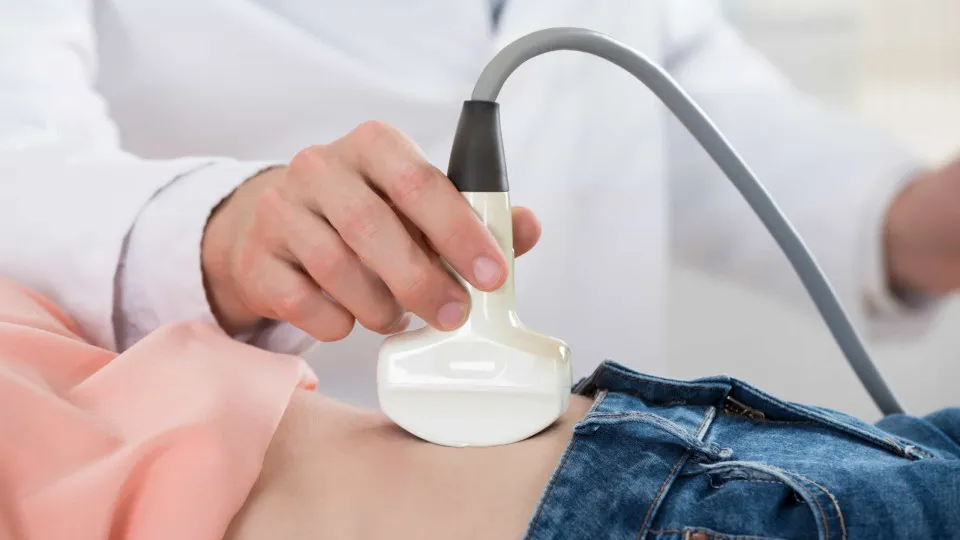
The +Fertility Movement wants the government to set up a counseling consultation in health centers between the ages of 20 and 35, and maximum response times in Medically Assisted Procreation according to age.
© Shutterstock
01/11/2026
by
Lusa
Movement +Fertility
O Movement +Fertility wants the government to set up a counseling consultation in health centres between 20 and 35 years old, and maximum response times in Medically Assisted Procreation according to age.
These measures are part of a set of 15 recommendations organised in three axes – Literacy, Work and Access – which seek urgent solutions to improve information, work reconciliation and access to fertility care.
Disclosed at the start of Fertility Week, which begins on Monday, the recommendations are the result of a comparative analysis of the policies of several European countries and appear on the same day that a study is published that shows that almost seven out of every ten young people between the ages of 18 and 34 would change their plans to have children if, in the future, they had to take care of a family member.
To respond to the Portuguese demographic challenge and help young people to have children in time, the +Fertility Movement, which involves the Portuguese Society of Reproduction Medicine, the Portuguese Association of Fertility and the subspecialty of Medicine of Reproduction of the Order of Doctors, advances with 15 strategic recommendations, including the extension of access to fertility preservation for non-medical reasons.
The measures, which will be accompanied by a request for a meeting to discuss with the Government the best way to achieve them, provide for a mandatory curriculum review of basic education to the university, integrating health and planning modules addressing topics such as the biological window, male fertility and the impact of lifestyle.
The movement also points out the need for more digital campaigns with medical validation, with permanent institutional presence on social networks, to demystify assisted reproduction technologies in more advanced age groups.
As for access, it suggests a total reimbursement of three to six cycles of treatment, guaranteed public participation for the second child and 100% participation of gametes donations.
To eliminate the impact of waiting lists in the period of the biological window to have children, it also proposes a voucher system, allowing the choice between the public and private sectors.
Another of the recommendations is the extension of preservation, financing it under non-oncological conditions (endometriosis and risk of early menopause, for example) as well as the reform of “restrictive laws” on embryos and donation.
The +Fertility Movement also proposes the creation of incentives for companies that support parenting and family care and advocates replacing single financial support at birth with “direct and lasting” tax deductions specifically for the second child.
It also calls for a “critical investment” in day care centers, with access to quality public institutions from the first year of life and maximum cost limit, as well as flexibility in the law that guarantees any parent the right to reduce the time by up to 20%, without the possibility of refusal by the employer.
The 15 recommendations are known on the day the FutURE 2026 barometer is released, according to which almost seven out of ten young people admit to changing plans to have children if they have to take care of a family member in the future. Of these, 30% says it would postpone the decision.
The prospect of reconciling these responsibilities arises in a context in which 1.2% already cares for a family member, 43.3% considers it likely that this will happen and 30.3% very likely, especially to care for parents.
More than eight out of ten (80.7%) say they prefer to guarantee financial stability first and only then have children, in a context where more than half of those who responded say that financial instability is in fact the main reason for postponing parenthood.
The data also show that, for these young people, access to housing (35.9%) is the main challenge that Portugal faces in the next 20 years, followed by the aging population (26%), mental health (8.3%) and low birth (8.2%).
The survey, promoted by Merk, heard 1,200 people between the ages of 18 and 34 in Portugal and is released on the eve of the European Fertility Week, which is marked from 2 to 8 November.