
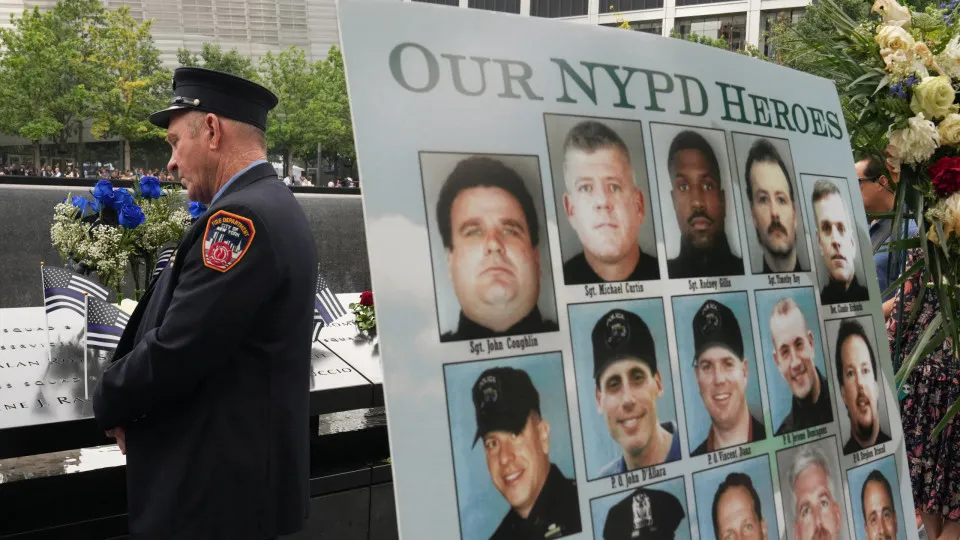
The New York City House announced the publication of 40,000 more documents on the September 11, 2001, attacks after a first September air quality disclosure on the site of the disaster. The documents, which total more than 200,000 pages, are available for public consultation at a portal created by the city.
© REUTERS
22/10/2026
by
Lusa
A New York City House today announced the publication of another 40,000 documents on the attacks of September 11, 2001, following a first air quality disclosure in September on the site of the disaster.
The documents, which total more than 200,000 pages, are available for public consultation in a portal created by the city (nyc.gov/sep11docs), after a legal battle of several years for access to air quality information in Ground Zero and the health risks arising from the attacks.
Disclosure closes two lawsuits filed against the city by organization 9/11 Health Watch, as well as years of restrictions on access to records on exposure to toxic substances at the site of the old twin towers and their possible health consequences.
“ Our commitment to honor the victims of the terrible terrorist attacks of 11 September, and to offer transparency and accountability to the survivors, cannot begin or end on the anniversary day [of the event],” said Mayor Zohran Mamdani, in a statement.
Mamdani recalled that the emergency teams, elected representatives and family members of the victims of September 11-related diseases required the publication of these documents years ago.
The mayor also pointed out that the municipal budget for the fiscal year 2027 includes 34 million dollars for the maintenance of the public record portal, which houses, among other archives, the document known as “Harding Memorandum”.
This document, attributed to Robert Harding — Vice-President of the House in 2001 — warned in private of the serious risks of exposure to toxic substances in Ground Zero, while municipal and federal authorities ensured that air in downtown Manhattan was safe.
The portal also gathers the 170 thousand documents of the so-called “Box 68”, whose publication was determined by Mamdani in September and which, according to complaints from the affected, show that the authorities have hidden information about the toxicity of the air after the attacks that destroyed the Twin Towers.
In turn, Benjamin Chevat, executive director of 9/11 Health Watch, stated that the analysis of the published documents revealed “a worrying scenario.”.
According to Chevat, even after understanding the magnitude of the risks, municipal, state and federal authorities did not change their strategy — which delayed the return of residents to their homes, schools and workplaces or at least prevented more effective cleaning work.
Chevat stated that the mayor and the city's legal advisor, Steve Banks, deserve recognition for the agreement with the organization he runs, which allowed the documents to be made public.
Mamdani added that more documents will be published in the coming months.