
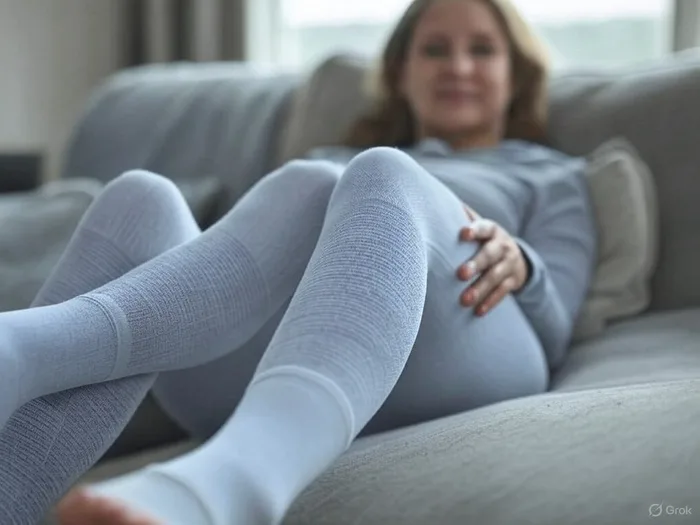
Compression stockings or rest socks are an essential part for many people, from elite athletes to patients with chronic medical conditions or varicose veins. These socks work by applying graduated pressure to the legs and feet, helping improve blood circulation. Its beneficial effects are, for example, relief, rest, relaxation and well-being.
In this article, we will explore everything you need to know.

What are compression socks?
Compression stockings, also called rest socks, are a piece of clothing that tightens and presses the leg and foot. Gradual compression helps push blood from legs and feet back into the heart. They are different from normal socks because they have medium to strong compression and are designed to be worn throughout the day.
It is not necessary to have a medical condition to use them, as they can be used by anyone who wants to enjoy their benefits. If never used, you can buy this model of socks as they have an affordable price, unique size and great quality.

Compression Socks for Varieties
Since compression stockings help the blood circulation and reduce blood accumulation in the veins, they relieve the symptoms associated with varicose veins. Thus, they are often used to reduce pain, the feeling of weight and fatigue in the legs.
In addition to alleviating symptoms, compression stockings help prevent complications with varicose veins, such as deep vein thrombosis. Because, by improving circulation and venous return, stockings reduce the risk of blood clots forming in the veins.
In summary, they are a noninvasive and effective option in the treatment and control of varicose veins.
Benefits of Compression Socks
The stockings offer various benefits including:
1. Improves Blood Circulation
Compression improves blood flow to the legs and feet. This can be particularly beneficial for people who have circulatory problems.
2. Reduce Swelling
They reduce the swelling in the legs and feet. This can be especially useful for people who spend a lot of time standing or sitting.
3. Helps Prevent Injuries
They help stabilize muscles and joints, which can help prevent injuries. This can be particularly beneficial for athletes.
4. Improves Athletic Performance
They can help improve athletic performance by reducing muscle fatigue and improving recovery after exercise.
Types of Compression Socks
There are several types of socks available, including:
1. Support socks
Support compression socks are the most common and are designed to be worn throughout the day. Yeah, they're ideal for people who spend a lot of time standing or sitting.
2. Socks for racing
Race models help runners improve performance and reduce muscle fatigue during and after exercise.
3. Travel socks
Travel models help prevent blood clots and reduce swelling in legs and feet while travelling by plane or car. For example, if you are going to take a long plane trip, you can wear socks with a smooth compression.
4. Post-surgical stockings
Post-surgical compression stockings are designed to help reduce swelling and pain after leg surgery.
How to Choose Compression Stockings
When choosing your socks, it is important to consider the level of compression, size and type of socks.
Compression Level
The compression level is a measure of the pressure applied by the sock. Yeah, it's important to choose the right level for your medical condition or athletic activity. The levels vary from mild to extra-strong and are often expressed in mmHG (millimetres of mercury), grade and DEN. But what do these units mean anyway?
Grade 1 socks, class 1 or 70 DEN generally have mild compression between 8 and 15 mmHg. Yeah, they're ideal for people with pain and some tired legs. In addition, you can use them to prevent venous diseases, varicose veins and are for free sale.
From 18 mmHG, the socks begin to have strong compression. Anyone looking for models of this type will usually make a very long journey, or feel strong pains in their legs.
In very severe cases socks with more than 20mmHG are used, but in this case it is recommended to have a prescription.
Size
The socks come in various sizes to ensure a proper fit. It's important to measure your legs to find the right size. Socks should be firm, but not too tight.
Care and Maintenance
They should be washed by hand or machine in a delicate cycle. Also, do not use softener and dry them outdoors to prevent tissue damage.

Contraindications of compression stockings
Although socks are generally safe and effective, there are some situations in which they should not be used. So do not use them without consulting a doctor if you have:
- Active skin infections such as dermatitis or open wounds.
- Congestive heart failure decompensated.
- Advanced peripheral artery disease, severe arterial obstruction.
- Fibromyalgia.
- Advanced peripheral neuropathy.
- Renal and hepatic oedema.
FAQs – FAQs
- Who should wear compression socks? They are recommended for people who spend long periods standing or sitting, athletes, pregnant women, and those with circulatory problems.
- What's the difference between light, medium and strong compression socks? Light socks are suitable for prevention, while medium and strong socks are indicated for more specific situations such as treatment of medical conditions.
- Can I wear compression socks during long flights? Yeah. Yes, its use during long flights can help prevent swelling and deep vein thrombosis, providing circulatory support.
- Can I sleep in compression socks? It is recommended not to sleep with compression stockings unless your doctor has told you otherwise.
- Are the compression socks suitable for everyone? Although they are beneficial to many people, it is crucial to consult a healthcare professional before wearing compression stockings, especially if you have preexisting medical conditions.
- Can I wash my compression socks in the machine? Yeah. Many compression socks can be washed in the machine. However, it is essential to follow the manufacturer’s instructions to ensure durability and effectiveness.
- Do compression socks have side effects? In general, compression stockings are safe, but some people may experience initial discomfort. If there is irritation, persistent pain or any adverse effect, it is advisable to consult a healthcare professional.
Conclusion
Compression stockings are an essential part for many people. Yes, they offer various benefits, from improved blood circulation to reduced swelling and injury prevention. When choosing socks, it is important to consider the level of compression, size and type of socks. Take good care of them to ensure their durability and effectiveness.
In summary, compression stockings work by applying graduated leg pressure, improving blood circulation, reducing varicose veins symptoms and preventing complications.
References:
“Indications for medical compression stocks in venous and lymphatic disorders: An evidence-based consensus status”, Phlebology: The Journal of Venous Disease.