
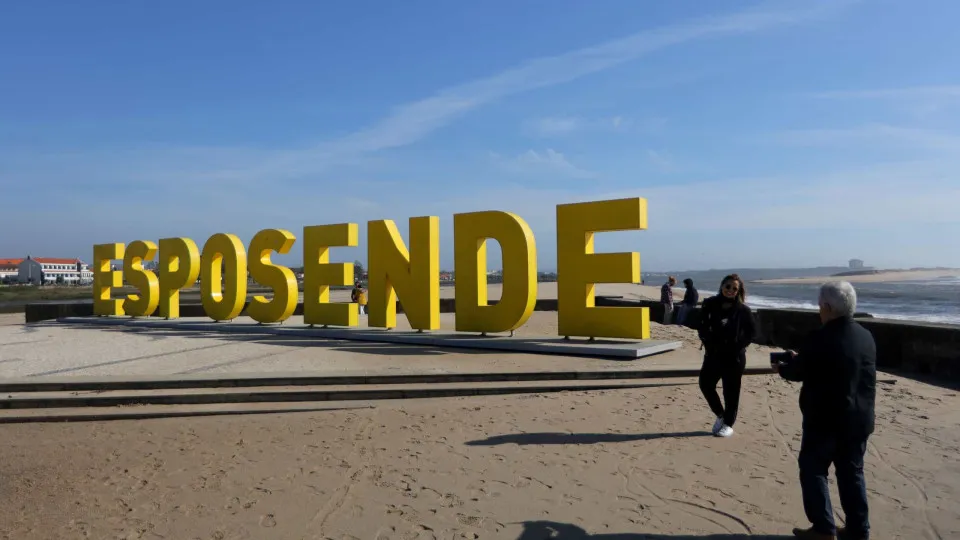
The Esposende Tourist Municipal Tax, of two euros in the high season and 1.5 euros in the low season, will begin to be charged within 30 days, according to the regulation published in Diário da República. The fee will apply to guests over 16 years old and includes exemptions for health and emergency reasons.
© Global Images
23/10/2026
by
Lusa
A Esposende Tourist Municipal Tax, of two euros in the high season and 1.5 euros in the low season, will begin to be charged within 30 days, according to the regulation published today in Diário da República.
The Regulation specifically recommends a rate of two euros between 1 April and 30 September and 1.5 euros from 1 October to 31 March.
The sleeping fee will be charged per night to guests aged 16 years or older, up to a maximum of five consecutive nights.
It respects any type of accommodation, including campsites and caravans.
They shall be exempt from payment, immediately, a guest and a companion travelling to the municipality of Esposende for health reasons, including medical treatment, examinations or consultations, provided that it is proven by appropriate document attesting the marking or provision of these services.
Guests staying by express determination of public entities, arising from a declaration in social emergency or civil protection, do not pay the fee either.
The exemption also covers guests who, for reasons of conflict or forced movement from their countries of origin, reside temporarily in Portugal, provided that they are duly proven by the competent services responsible for applying for asylum.
Residents in the municipality of Esposende, in the district of Braga, do not pay either.
The Regulation underlines that between 2020 and 2025, the number of guests and overnight stays in the municipality increased, respectively, 74,33 % and 69,37 %, “reflecting an increasing demand of the municipality as a tourist destination and translating an increasingly intense use of municipal infrastructure, equipment and services by visitors”.
In 2020, Esposende registered 26,325 guests and 57,028 sleeps, numbers which in 2025 rose respectively to 102,568 guests and 186,194 sleeps.
“ This growth determines a significant increase in the pressure on public space, municipal infrastructure, collective equipment and services provided by the municipality, in particular in the areas of urban cleaning, waste management, maintenance of public spaces, conservation of bathing areas, environmental protection, mobility, security, visitor information and enhancement of the natural, cultural and landscape heritage”, states the regulation.
It adds that the response to this increased demand requires a permanent financial effort by the municipality to ensure the maintenance of the levels of quality, safety, sustainability and enjoyment of the territory, both for residents and visitors.
Thus, the revenue from the tourism tax is intended to finance, as a priority, interventions related to the maintenance, conservation, recovery and reinforcement of infrastructure, equipment, public spaces and municipal services used or impacted by the tourism activity.
They will also finance other measures to ensure the sustainability of the tourist destination and the continuous improvement of the reception conditions of visitors.
The value of the tourism tax can be updated annually, through the municipal budget, according to the average variation rate of the last 12 months of the consumer price index, when positive, published by the National Institute of Statistics and reported to the month considered for the purpose of preparing the municipal budget.