
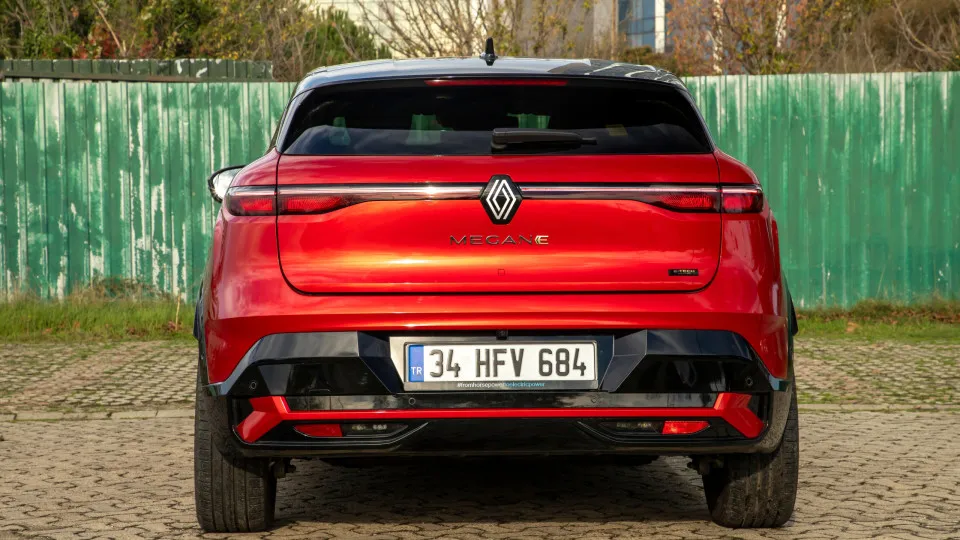
Renault Megane, one of the brand's classics, can undergo radical changes in the future, including rear traction, 750 km autonomy and a completely new design inspired by the sixth generation Clio.
© emirhankaramuk / Shutterstock
03/11/2026
by
News to Minutes
Iintroduced in 1995, renault Megane has a long career of over three decades with five generations, having had several facets during this type – from van to hatchback, passing by coupé or berlina.
Nowadays, it's a 100 percent electric C segment hatchback. But the manufacturer is thinking about the future of the model, which could be very different what is known today – including rear traction.
Designed for Europe, it is intended for 100 percent electric and electric motorizations with an extensor of autonomy. Admits autonomy up to 750 km for an electric and 1,400 km in the second case, applying to models from segment B+ to segment D. You'll also admit full traction.
Announced in March, according to AutoExpress this flexible platform can equip the future Renault Megane. The cars based on it may have lengths between 4.3 and 4.8 meters and up to two tons of towing capacity, in addition to supporting SUVs and berlins with low ground height.
Modern design, but in moderation
Write that publication that will be possible, with the new platform, to have a Megane very different from the current in terms of design, with a contemporary image and different from the manufacturer's retro models. Nevertheless, should be inspired by the new generation of Clio.
Laurens van den Acker, design director, explained that “form language will be a bit more contained“, combining modernity with some moderation. “When you raise the price, cars have to become more timeless,” he observed.
The person responsible also understands that renault has to “make cars look a little more serious”, without being as cold as german brands or “hot as italians”.
What to expect from the future Megane?
For now, what will be seen in the future Renault Megane is not right. AutoExpress writes that design may be more sophisticated and have elements such as narrower headlamps or smaller grid openings. The model can become a more vertical hatchback.
Also should have an optimized design for autonomy with a relatively low front, fighting rivals like Hyundai Ioniq 5 or even Tesla Model Y. An autonomy around 750 km would be, for Philippe Brunet (the Renault Technology Director) a highlight in segment C.
Apart from design, it's expected to be a smart car. François Provost, Executive Director of the Group, has already revealed that the basis for software-defined vehicles will apply, above all, to cars in the C segment based on the REG EV Medium 2.0 platform.