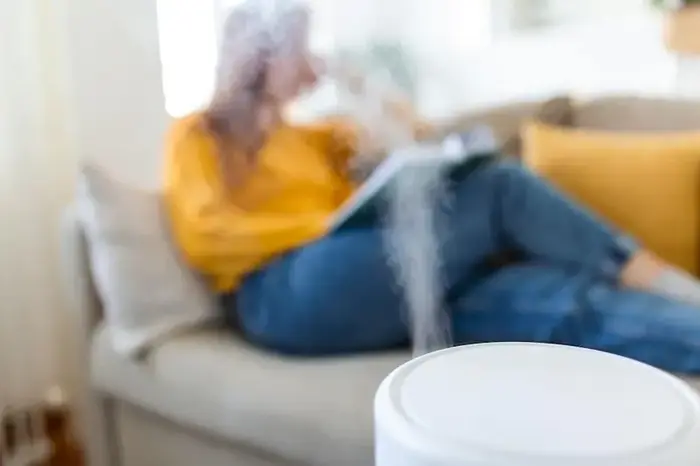
HEPA filters are high efficiency units that can filter air up to 99,99% impurities. HEPA comes from English (High ANDefficiency Particulat Ago).
These filters are very effective with dust, mites, mold, pollen, bacteria and viruses.
HEPA filters are considered absolute! This is because they offer maximum efficiency in air filtration.
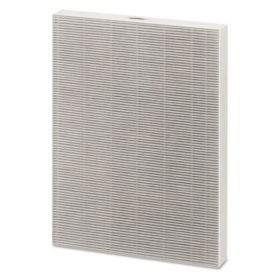
Where HEPA filters are used
HEPA technology is currently used in many appliances and appliances, in addition to industrial applications. It is common in ambient air purifiers, vacuum cleaners, filter dehumifiers and some air conditioning models.
These filters are also widely used in hospitals and aviation.
So if you have for example a vacuum cleaner or air purifier with HEPA, you have made a good bet. Yeah, so it guarantees a clean, healthy air inside the house. In addition, they are the most suitable for those who suffer from allergies or have respiratory problems.
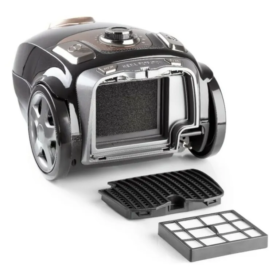
Why use HEPA filters in vacuum cleaners?
If you think of a conventional vacuum cleaner, you know they can suck a lot of impurities. However, most vacuum cleaners do not have these filters, so they end up coming back out and contaminating the air.
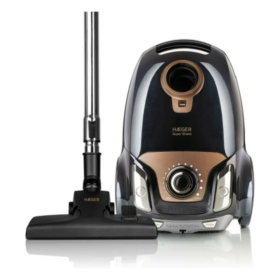
This is why it is ideal to use a vacuum cleaner with HEPA filter. Yeah, they're great for floor cleaning, sofas, mattresses, pillows, carpets and curtains.
How do filters work?
HEPA filters are designed to retain tiny particles, unlike many conventional models. To this end, they use a special technology of fiber meshes. They also have at least 2 filter levels. Most have at least one prefilter to retain larger particles and then the mesh filter arranged randomly.
Simple HEPA do not filter smells or aromas, but for this purpose there are several models where an activated carbon layer is also added.
Maintaining a filter HEPA
Some filters can be cleaned with only one passage through water. However, many models cannot be washed or will lose their filtering capacity. In such cases, you should be able to clean the filter with air only. Ideally you should use compressed air and clean outdoors to avoid contaminating any closed environment.
Therefore, you should always check the manual of your equipment to see if and how to clean the filter.
FAQ – Frequently Asked Questions
If you want more information, see a summary of the main questions and answers about these filter types.
- What is a HEPA filter? ? It is a type of filter that is able to filter 99.97% of air particles with a size of 0.3 microns or larger.
- What does HEPA stand for? The acronym HEPA stands for High Efficiency Particulate Air.
- How do HEPA filters work? They are made of dense fibers that capture particles from the air while allowing clean air to pass through them.
- HEPA filters can remove viruses from the air? ? Yes, they are capable of removing viruses from the air, including SARS-CoV-2, the virus causing COVID-19.
- What are the main applications of HEPA filters? They are used in air conditioning systems, air purifiers, vacuum cleaners and other air filtering equipment.
- Need to change HEPA filters regularly? Yes, they need to be changed regularly to ensure the effectiveness of filtering. The exchange frequency depends on the intensity of use and the environment in which the filter is used.
- Are HEPA filters safe? Yes, they are safe and do not emit harmful substances in the air.
- Can HEPA filters help with allergies? Yes, they are able to filter out particles that cause allergies, such as pollen, dust and animal hair.
- Are HEPA filters effective against smoking? Yes, they are effective in filtering smoke particles, including toxic particles present in cigarette smoke.
- Are HEPA filters expensive? These filters may be more expensive than other filters, but the effectiveness in filtering harmful particles makes the investment worthwhile.
Conclusion
HEPA filters are among the most efficient. See some of the articles that use HEPA filtering technology for example!