
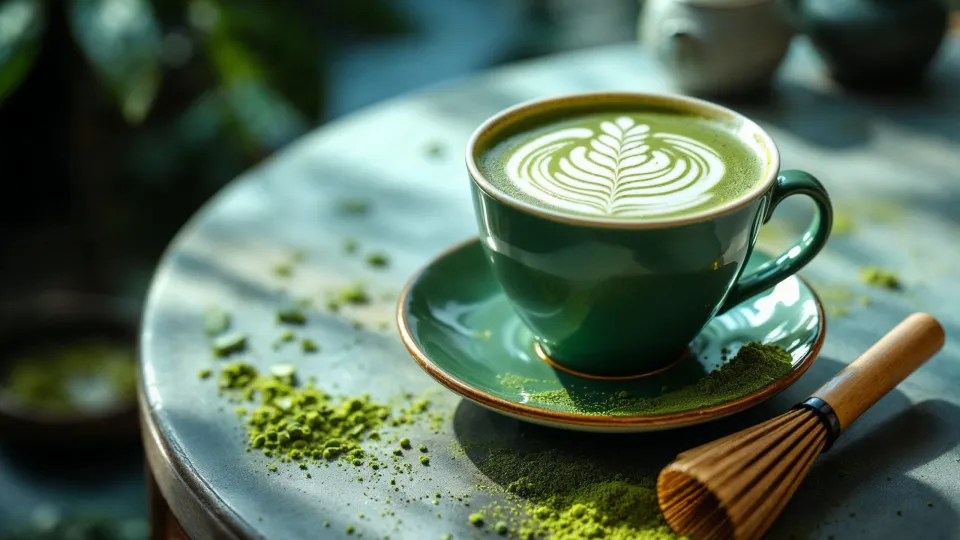
The matcha is a popular drink, but excessive consumption can cause adverse effects. A nutritionist explains the main health risks and what is at stake.
© Shutterstock
21/10/2026
by
It can also interfering with sleep. “The matcha is usually consumed in the morning as an alternative to coffee, but drinking it at the end of the day can affect sleep. Caffeine blocks the action of adenosine, a chemical in the brain that promotes sleep. Consequently, excessive consumption of matcha may make it difficult to fall asleep, reduce sleep quality or cause frequent awakenings during the night.”
O digestive discomfort is another problem related to excess matcha consumption. “The matcha also contains tannins and other plant compounds that can contribute to stomach nausea or discomfort, especially when consumed in large quantities. If you feel acidity, nausea or irritation in your stomach after drinking matcha, try to consume it after a meal, reduce the amount or choose a less concentrated preparation.”
From heart to liver: What happens if you drink too much matcha
Pay attention to palpitations and rapid heartbeatIt could be another effect of the matcha. “People with certain heart rhythm disorders or with increased sensitivity due to caffeine should be cautious. If palpitations persist or are accompanied by chest pain, shortness of breath, dizziness or fainting, seek medical attention.”
A body capacity to absorb iron may also be compromised with excess matcha consumption.
“Drinking matcha at meals can make it difficult for the body to absorb iron. This is particularly relevant for people with iron deficiency, intense menstrual bleeding or who need iron.”
Sit headache? ? Look, it could be the matcha. “Overuse of caffeine can cause headaches, tremors, dizziness and an unusual feeling of alertness or restlessness.” Finally, the nutritionist warns the liver health.
“ Green tea extracts are used in some food supplements because they contain high concentrations of catechins. However, high doses of green tea extract have been associated with rare cases of liver injury, according to some studies.”