
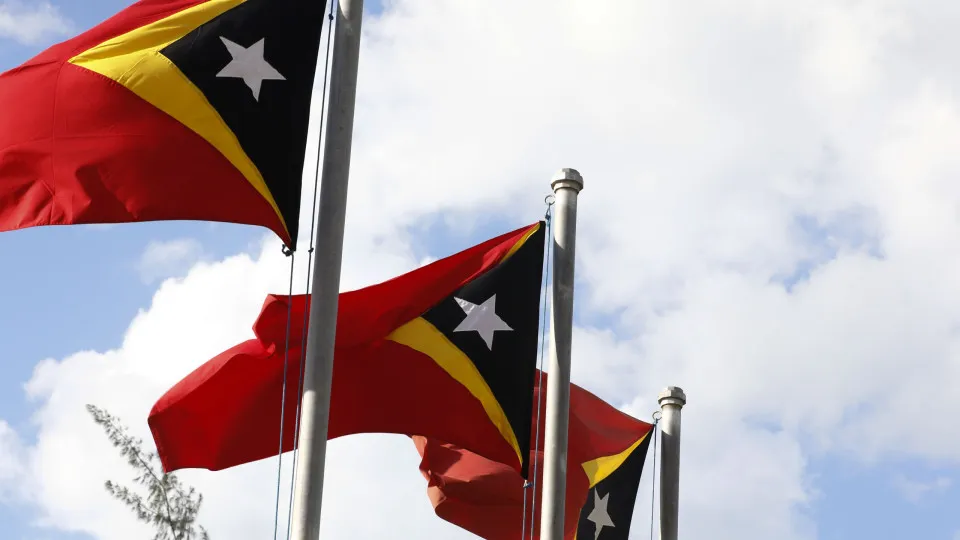
Timorese analyst Mariano Ferreira said today that East Timor is not yet taking advantage of the economic opportunities for membership of the Association of Southeast Asian Nations (ASEAN) because it needs time to develop the national economy.
© Lusa
25/10/2026
by
Lusa
O timorese analyst Mariano Ferreira said today that East Timor is not yet taking advantage of the economic opportunities of joining the Association of South East Asian Nations (ASEAN) because it needs time to develop the national economy.
“Timor-Leste has not yet been able to take advantage of the opportunities offered by ASEAN membership and needs more time to develop the national economy,” said the analyst, when asked by Lusa about the country’s first year of membership to the Southeast Asian organization.
The country joined ASEAN, an organisation for economic, political, social and cultural cooperation between the countries of Southeast Asia on 26 October 2025, 14 years after submitting the application for admission.
For the analyst, the La’o Hamutuk association, in the last year, under ASEAN, there was no significant investment, although the authorities organized “several economic forums, invited numerous personalities and spent considerable amounts of money”.
With GDP growth forecasts of more than 4% in the coming years, according to the government and some international financial organizations, the Timorese economy remains dependent on oil and public investment.
The private sector is low and investment is low, there is too much bureaucracy, lack of skilled labour and infrastructure, he said.
The analyst also pointed out national legislation for foreign investment as a concern.
“ Legislation does not always offer sufficient protection or guarantees to investors who want to apply capital in East Timor to make investments or contribute to the development of our economy,” he said.
For Mariano Ferreira, this situation contributes to the lack of confidence of investors in the country, which adds to the lack of skilled labour.
The Government, it considered, should strengthen vocational training and training and prepare young people for the labour market to be able to compete with other ASEAN citizens.
The executive approved this week a National Roadmap for the Implementation of ASEAN's Economic Commitments for the period 2026-2030.
ASEAN was founded in 1967 by Indonesia, Singapore, Thailand, Malaysia and the Philippines. Other countries such as Brunei Darussalam, Cambodia, Laos, Myanmar (former Burma), Vietnam and East Timor have since last year.
With a combined population of 676.6 million inhabitants, ASEAN is the third most populous region in the world, after India and China.