
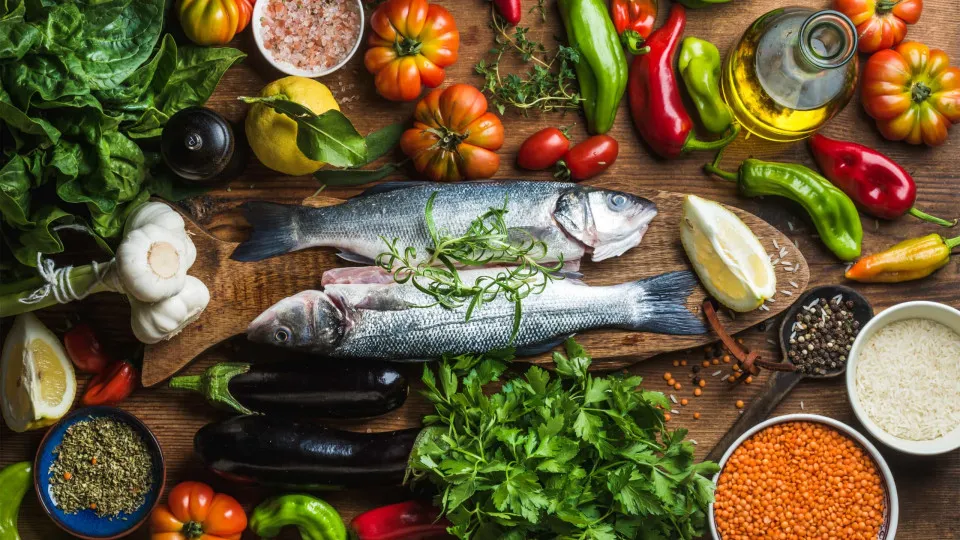
The participation of the Azores in the reflection on the National Food and Nutrition Security Strategy reinforces the appreciation of regional production, a healthy and safe food and sustainable and resilient food systems, adapted to insularity.
© ShutterStock
24/10/2026
by
Lusa
A participation of the Azores in the reflection on the National Strategy for Food and Nutrition Security reinforces the appreciation of regional production, a healthy and safe food and sustainable and resilient food systems, adapted to insularity, was announced today.
According to a note published by the Azorean executive, the Region participated in the process of reflection on Food and Nutrition Security, framed by the National Strategy on Food and Nutrition Security (ENSANP), contributing to the identification of challenges and opportunities associated with production, consumption, health, nutrition and sustainability of food systems.
In this context, the lecture “Food and Nutrition Security in the Azores”, framed by ENSANP, promoted the reflection and sharing of contributions between institutional representatives, producers, farmers and professionals from different areas, with “the objective of identifying challenges and opportunities for the development of more sustainable, resilient and inclusive food systems”, explains the Government of the Azores.
Cited in the press release, the regional secretary of Agriculture and Food, António Ventura, said that “it is essential to strengthen the productive capacity of the Azores, valuing farmers and the quality of regional agrofoods, as pillars of food autonomy and resilience of supply, facing the challenges of insularity”.
According to the Regional Government (PSD/CDS-PP/PPM), the contributions collected reinforce the need for “a cross-cutting approach to food and nutrition security, which links the appreciation of regional production to public health promotion, food education and responsible use of resources”.
“The adaptation of agriculture to climate change, soil and water protection, the preservation of biodiversity and the promotion of the circular economy are also key dimensions for the sustainability of Azorean food systems”, is also mentioned.
On the other hand, the strengthening of the productive capacity of the Azores is highlighted as a “strategic factor for food autonomy, resilience of supply systems and the appreciation of the work of Azorean farmers”.
It is also essential to promote access to safe, quality and nutritionally adequate foods, encouraging the consumption of Azorean products, food education, the adoption of healthy habits and the appreciation of fresh products.
“ The appreciation of organic production and certified products, combined with the fight against food waste, contributes to more sustainable food systems and to a better quality of life for Azoreans”, adds the Azorean executive, in the note.
Relevant measures have also been identified for the recovery of foods such as milk and milk products, beef, fruit and vegetables and products with a protected designation of origin or protected geographical indication.
The holding of participative workshops provided a joint reflection and gathered “different perspectives and contributions adjusted to the territorial, economic and social specificities of the Region”.
The contribution of the European project was also highlighted. LIFE IP AGRILOOP Azores, focused on the transition to the circular economy in the agroforestry sector, and the participation of the Regional Secretariat of Agriculture and the Institute of Food and Agricultural Markets (IAMA) in the National Strategy to Combat Food Waste.
The Regional Secretariat of Agriculture underlines that the participation of the Azores in this process of reflection, within the scope of ENSANP, contributes to “the construction of articulated and adapted responses to the insular reality” and reinforces “the commitment of the Region to the valorization of Azorean food resources, the promotion of healthy and safe food and the fight against food waste”.