
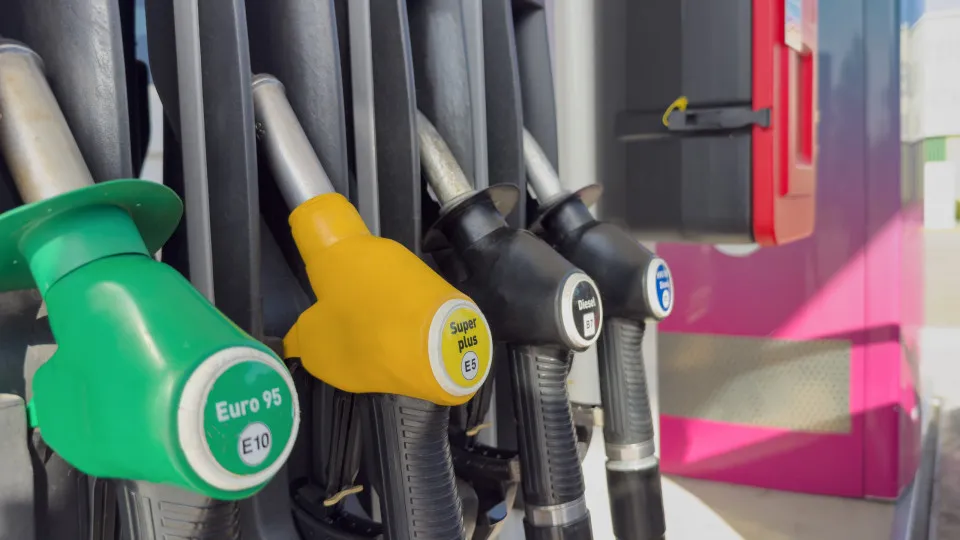
The Government included non-urgent patient transport companies under Decree-Law 199/2026, which establishes an extraordinary and temporary package of financial support to mitigate increased fuel costs and AdBlue.
© Shutterstock
25/10/2026
by
Lusa
O Government will include non-urgent patient transport companies under Decree-Law 199/2026, which establishes an extraordinary and temporary package of financial support to mitigate increased fuel costs and AdBlue.
In a statement, three days after private non-urgent patient transport companies threatened to stop if they were not included in government support because of the increase in fuel, as well as having fixed a slow march in Lisbon, the Ministry of Health said it recognized the importance of these companies.
“ This Decision recognises the importance of these companies to ensure access to health care for users and reflects the government's concern with the impact of increased operating costs on the sustainability of their activity and the continuity of an essential service to the population ", reads in the statement of two paragraphs.
On Thursday, the newspaper Publico revealed that these companies, which for months have been claiming to be included in the extraordinary support that has been given to various sectors and activities, are said to be discriminated against and remember that without the transports they guarantee, some treatments can be at risk.
To draw attention to the difficulties created by the increase in fuel prices, companies distributed leaflets to passengers, after all attempts to contact the government were frustrated and the last decree-law on support had left them out.
“From the government there is absolute silence. Only the cabinet of the presidency of the Republic received us”, lamented the president of the Portuguese League of Ambulances (LPA), Álvaro Gil, quoted by the Public.
The responsible explained that the transport of non-urgent patients follows prices listed in 2023, so companies cannot reflect the increase in costs in the client, i.e. in the National Health Service (SNS).
It also recalled that the rise in fuel prices in the context of the crisis in the Middle East is also raising the prices of vehicle maintenance and consumables, such as oxygen.
In 2025, the SNS registered more than four million transports to non-urgent patients, of which about half were made by private companies, which compete for competitions opened by health units.
Most transports are for oncology or hemodialysis treatments, physiotherapy sessions and consultations, but these services also include transfers between hospitals and high clinics, services that may focus on if these companies stop.
As a form of pressure, these companies admit to slowing down next week in Lisbon if the government does not open a dialogue path.