
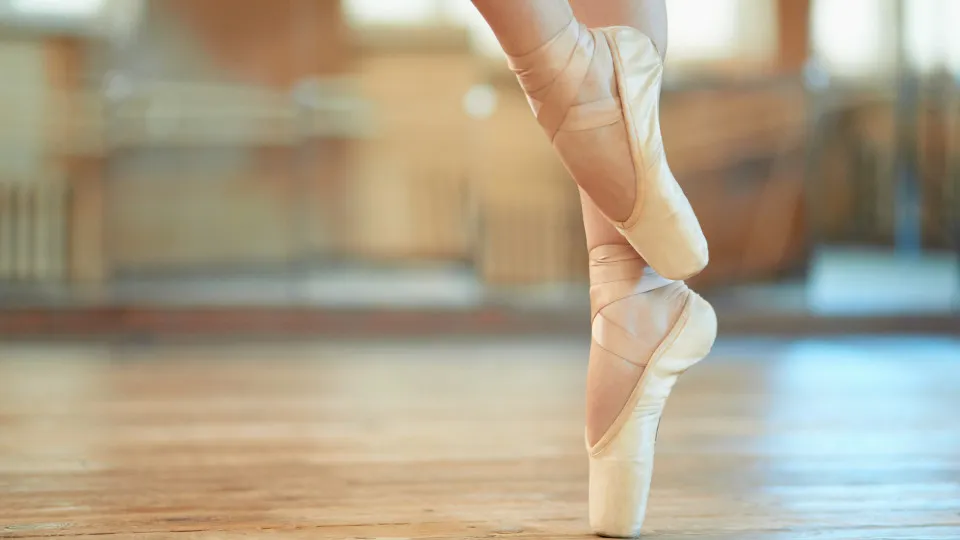
The PlatformDança launched a barometer to map the sector in Portugal and will meet with the guardianship of Culture on November 10, Lusa told today the president of the association.
© Shutterstock
26/10/2026
by
Lusa
PlatformDance
A PlatformDança launched a barometer to map the sector in Portugal and will meet for the first time with the guardianship of Culture on November 10, Lusa told today the president of the association.
The PlatformDance – National Dance Association, created in 2020 during the covid-19 pandemic, aims to know the dimension, activity, economic impact and needs of the industry structures, to substantiate demands and proposals for public policies, according to the president, Pedro Fidalgo Marques.
“ The last great survey we made of the sector was precisely in those years, and we felt the need to be able to do a new mapping here, after this time”, he added, explaining that the initiative came from a proposal presented by an associate at the last meeting of the entity, on September 30.
The questionnaire, launched in early October and available online for one month, is intended for companies, dance schools, production structures, event organizers, communities, community projects and other entities in this area, whether or not associated with the Dance Platform.
Among the data to be collected are the number of professionals and practitioners, the conditions of hiring, the economic activity generated and the difficulties experienced by the structures, as well as their priorities, aiming to identify the main needs of public intervention for the sector.
“ When we talk about dance, we talk not only about professionals, but also about dance schools, collectives, community projects”, said the president of the structure, who intends to obtain, in particular, an estimate of the number of people who practice the modality in Portugal.
Depending on the type of entity, the questionnaire can reach 30 questions, and includes questions about the legal nature, location of the headquarters, the type of professionals hired and the conditions of the premises.
Dance companies, for example, are questioned about shows, box office and spectators, while schools respond about classes and students and producers about events and their activity.
In the opinion of the person responsible, this collection will also allow the assessment of working conditions and precariousness in the sector, aspects that the association intends to analyse with concrete data: “Our perception is that dance, according to empirical data, has grown considerably in recent years,” said Pedro Fidalgo Marques, noting that this impression stems from the experience of the associates.
The Dance Platform has about 400 members, but considers that there are many more professionals and structures working in the country, which is why the survey is open to the entire sector and the answers will be anonymized before the analysis, assured Lusa.
Among the professionals who expect information are dancers, choreographers, artistic directors, producers, technicians and workers in the areas of administration, management and communication.
“ The area of dance is not as small as they want to make it think, and is underestimated ", added.
The hearing with the Minister of Culture, Youth and Sport, Margarida Balseiro Lopes, scheduled for November 10, will be the first meeting of the association with a guardianship, after several attempts to contact previous holders of the folder, said Pedro Fidalgo Marques.
At that meeting, the PlatformDance expects to present some preliminary data, namely on the number of professionals, structures and types of contracts, although the complete statistical analysis does not predict that it will be completed at the time.
The association is also preparing the first national dance congress, scheduled for the beginning of 2027, with a professional component and the intention to integrate the academic dimension, indicated.
The objective, according to Pedro Fidalgo Marques, is to promote the joint work of the sector, which considers to continue to have a reduced weight in policies to support performing arts.
“ Dance continues to be one of the poor relatives of performing arts in terms of percentage of support, in terms of attention, in terms of much”, lamented the leader.